For B2B SaaS companies, traditional SEO and paid channels are becoming saturated. The next wave of discovery is happening inside AI search, where potential buyers ask tools like ChatGPT, Perplexity, and Claude for software recommendations long before visiting a search engine.
Generative Engine Optimization (GEO) turns that invisible discovery process into a measurable, repeatable growth channel. The goal isn’t traffic, it’s visibility at the moment of recommendation.
Why GEO Matters for B2B SaaS
Modern software buyers no longer rely solely on typing “best CRM tools” into Google, they ask AI assistants:
- “What’s the best CRM for small teams?”
- “Which marketing automation platforms integrate with HubSpot?”
- “What are the top alternatives to Asana?”
If your SaaS brand isn’t being cited or mentioned in those answers, you’re invisible at the most influential stage of the buyer journey. GEO helps you fix that by ensuring AI models see, understand, and reference your product.
Here’s how leading SaaS teams are already applying GEO.
1. Map Your Product’s AI Visibility
Start by measuring where your brand currently appears in AI-generated recommendations.
- Track prompts that reflect your product category, target persona, and competitor set.
- Identify which AI models mention your brand, and how often compared to competitors.

Promptwatch Monitors make this possible by scanning answers from ChatGPT, Claude, and Perplexity to reveal who’s getting recommended and why.

2. Identify and Fill Answer Gaps
In B2B SaaS, “Answer Gaps” are where buying questions exist but your brand doesn’t appear. These are your missed opportunities.
- Look for prompts like “best alternatives to [competitor]” or “affordable [category] software.”
- Use those missing mentions to drive new landing pages, feature comparisons, or educational content.
Promptwatch’s Content Generation engine ties each gap directly to a piece of content you can create, giving your team a blueprint for building visibility that converts.
3. Optimize for AI Crawlers, Not Just Google
AI crawlers like GPTBot and ClaudeBot index content differently from search crawlers. They prioritize structured data, factual clarity, and readable explanations over keyword repetition.
- Use your Crawler Logs in Promptwatch to see which AI bots are accessing your product pages.
- Update any pages returning errors or receiving few visits.
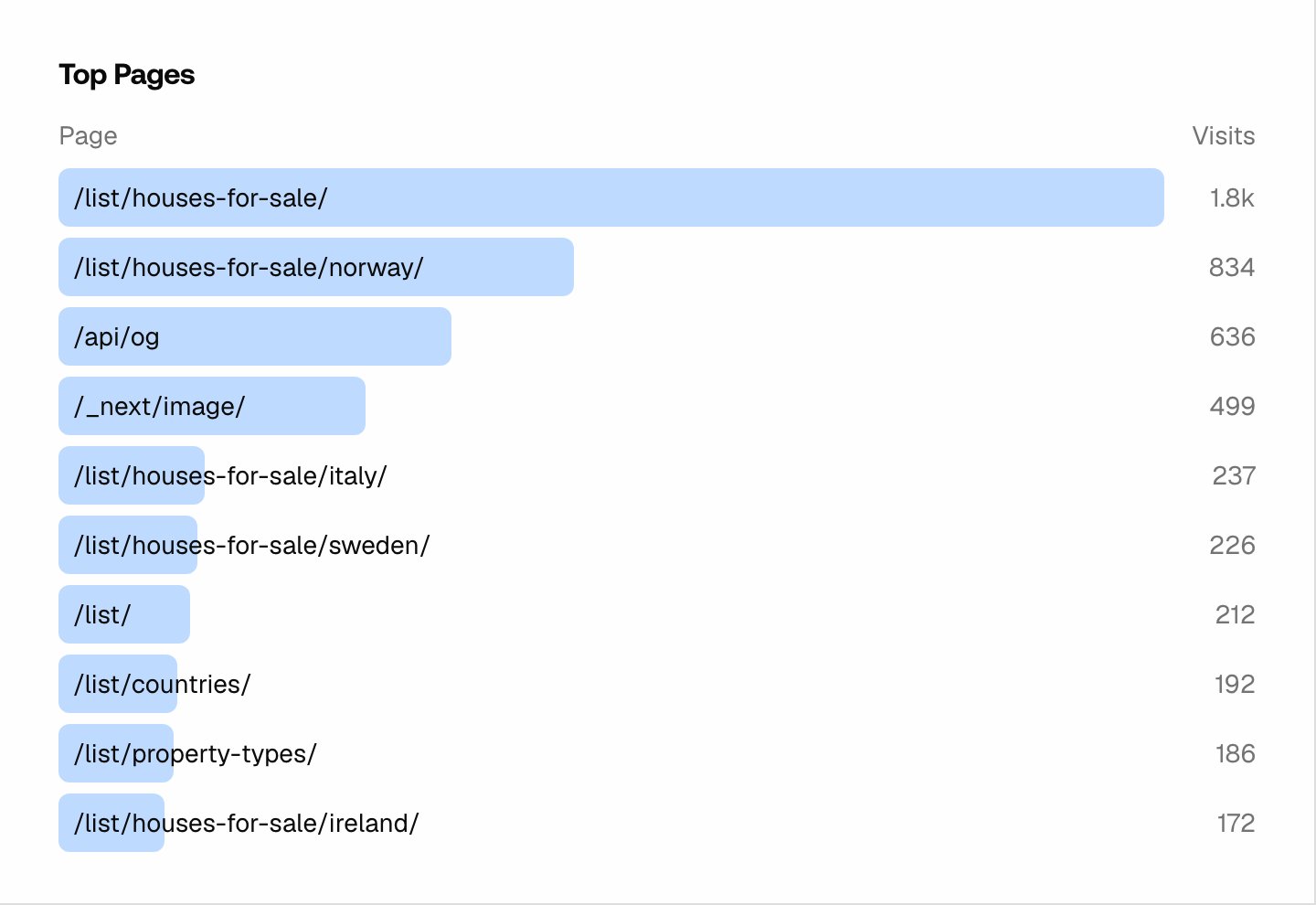
Ensuring these bots can reach your most valuable content is the foundation of every GEO strategy.

4. Measure Real Conversions from AI Traffic
Visibility means little if it doesn’t drive business outcomes. Use Visitor Analytics in Promptwatch to measure traffic from AI platforms and understand what those users do once they reach your site.
- Track which AI models refer the most visitors.
- See which pages those users visit and how long they stay.
- Correlate new signups or demo requests with AI search visibility trends.
This closes the loop from visibility → engagement → conversion.
5. Build a GEO Workflow Into Your Go-to-Market
The SaaS teams winning in GEO treat it as an ongoing process, not a campaign. Their cycle looks like this:
- Monitor prompts and brand visibility.
- Analyze Answer Gaps and competitor mentions.
- Generate new or optimized content based on insights.
- Track crawls, citations, and traffic results.
- Refine prompts and repeat.
Promptwatch connects these stages in one system, helping your marketing and product teams focus on what matters most, appearing where real buying decisions begin.
Next Steps
Run a visibility baseline today by creating your first three monitors: one for your brand, one for your product category, and one for your top competitors. This gives you a clear view of your current footprint in AI search, and the first data-driven steps to expand it.
Tip: The best B2B SaaS teams don’t just track their brand, they track their category. Owning the category prompts that define your market is how you turn AI visibility into consistent, high-quality leads.

