How Teams Are Using AI Visibility to Drive Results from GEO
Marketing teams winning in Generative Engine Optimization (GEO) have one thing in common: they understand how AI models see and interpret their brand.
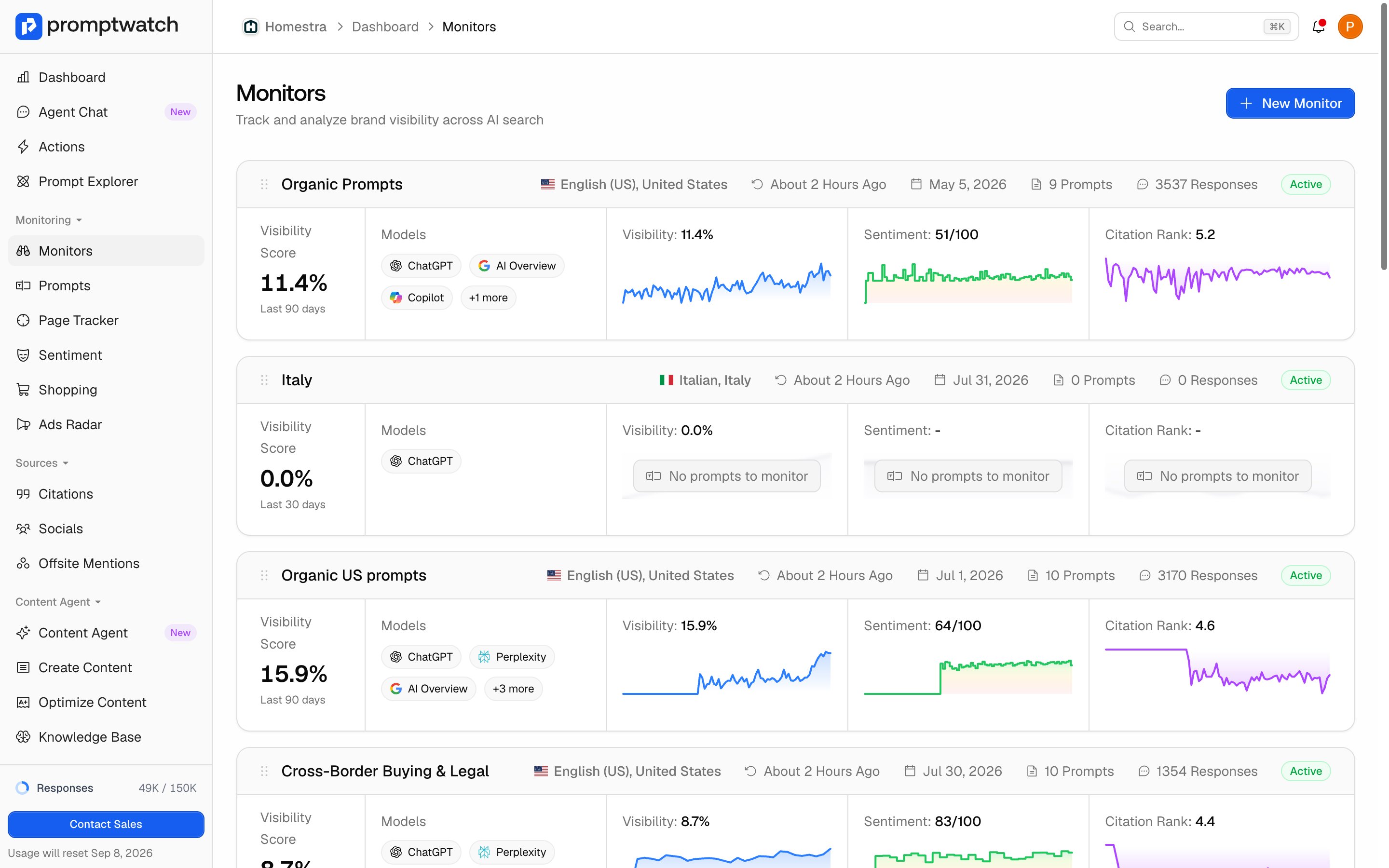
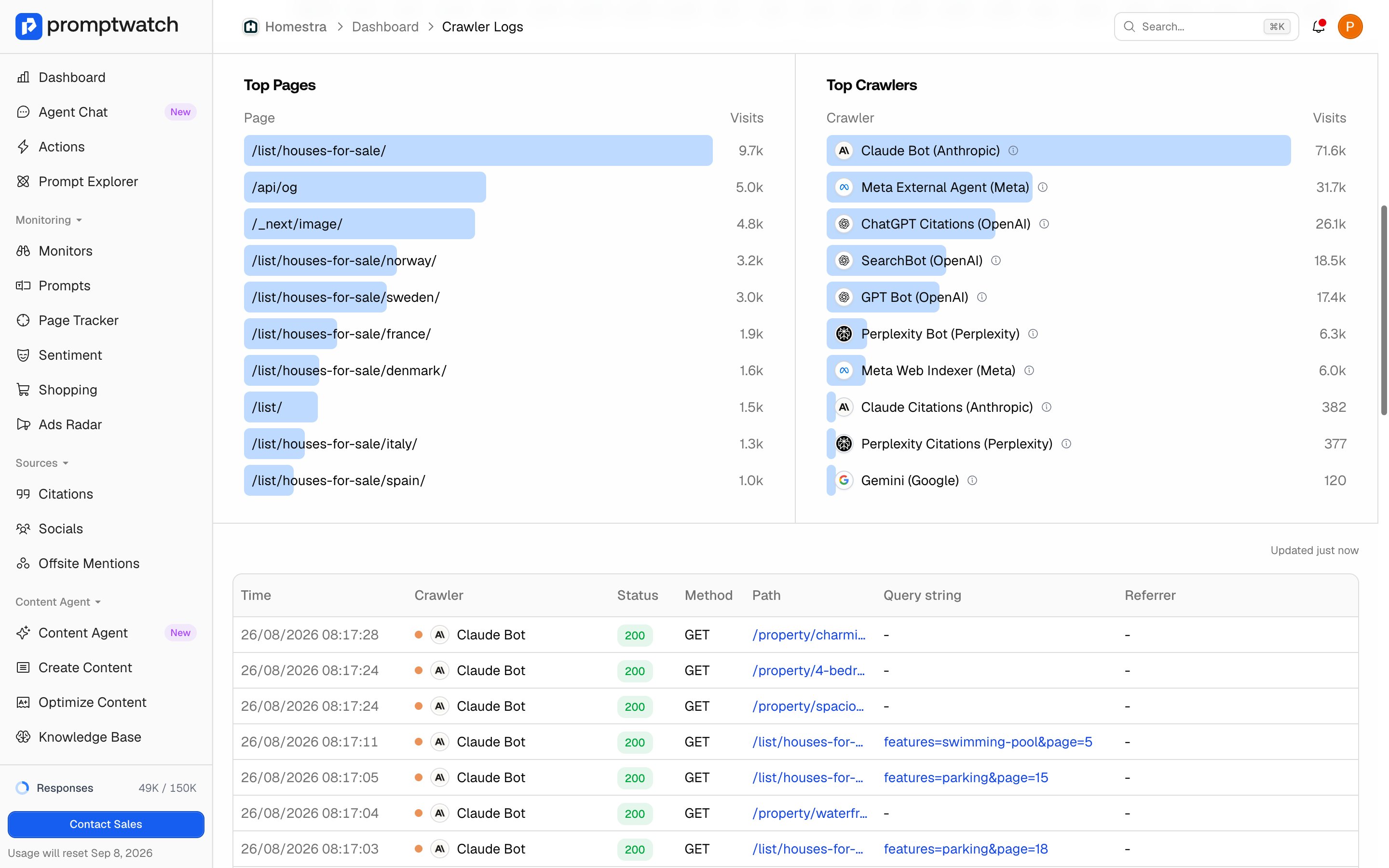
Instead of focusing only on search rankings, these teams measure how their content is discovered, cited, and surfaced inside generative answers, and use those insights to improve visibility across models like ChatGPT, Perplexity, and Claude.Here are five tactics these teams use to stay ahead.1. Tracking Prompts That MatterWinning teams know which prompts actually shape their brand visibility. They monitor questions and comparisons across different AI models to see how their brand appears or where it’s missing. By grouping these prompts under topics, markets, or personas, they can quickly spot opportunities to improve how AI understands their offering.Inside Promptwatch, Monitors make this possible by tracking prompts and responses across multiple engines in one view. This gives teams the full picture of where their brand stands in AI search and where visibility needs work.2. Understanding How AI Crawlers See Your SiteBefore AI can mention your brand, it needs to read and process your content. That’s why leading teams study crawler activity to see which AI systems are actually visiting their sites, which pages they read most, and which ones get ignored.With Crawler Logs, teams can analyze visits from GPTBot, ClaudeBot, and PerplexityBot in real time. Seeing which pages are most frequently crawled and cited helps them fine-tune structure and internal links, making their most valuable content easier for AI to surface in generated answers.3. Turning Visibility Gaps into New ContentTeams that consistently show up in AI-generated results don’t wait for luck, they create content based on real data. They identify the prompts where competitors appear but they don’t, then publish content that directly addresses those missing topics.Using the Content Generation tools in Promptwatch, teams can generate optimized articles or comparisons linked to those underperforming prompts. Each piece is tailored to fill a specific visibility gap, ensuring their brand appears more frequently in future AI responses.4. Measuring Real Traffic from AI SearchVisibility only matters if it drives results. High-performing teams measure how users from AI platforms arrive on their site, which models send the most traffic, and which pages attract those visits.Visitor Analytics in Promptwatch gives a clear view of where these visitors come from whether that’s ChatGPT, Perplexity, or Claude, and how they interact once they land. With that data, teams can see what’s working and double down on content that converts AI visibility into real engagement.5. Keeping Your Site Structure Aligned with AI DiscoveryEven the best content won’t perform if AI crawlers can’t easily navigate it. Teams winning in GEO keep their sitemaps clean and structured so that AI systems understand their hierarchy and context.By uploading their sitemap to Promptwatch, they allow the platform to analyze their structure, highlight missing or underrepresented pages, and recommend improvements. This ensures that the content most important to the business is also prioritized by AI crawlers.Next StepsThe teams succeeding in GEO don’t rely on one tactic, they combine visibility tracking, crawler insights, content creation, and analytics into a single workflow. Together, these steps reveal how AI models see your brand and where you can take control of that narrative.Tip: Review your monitors weekly. Every visibility gap you close compounds your authority in AI search, making it easier for future answers to include your brand automatically.
Assistant
Responses are generated using AI and may contain mistakes.